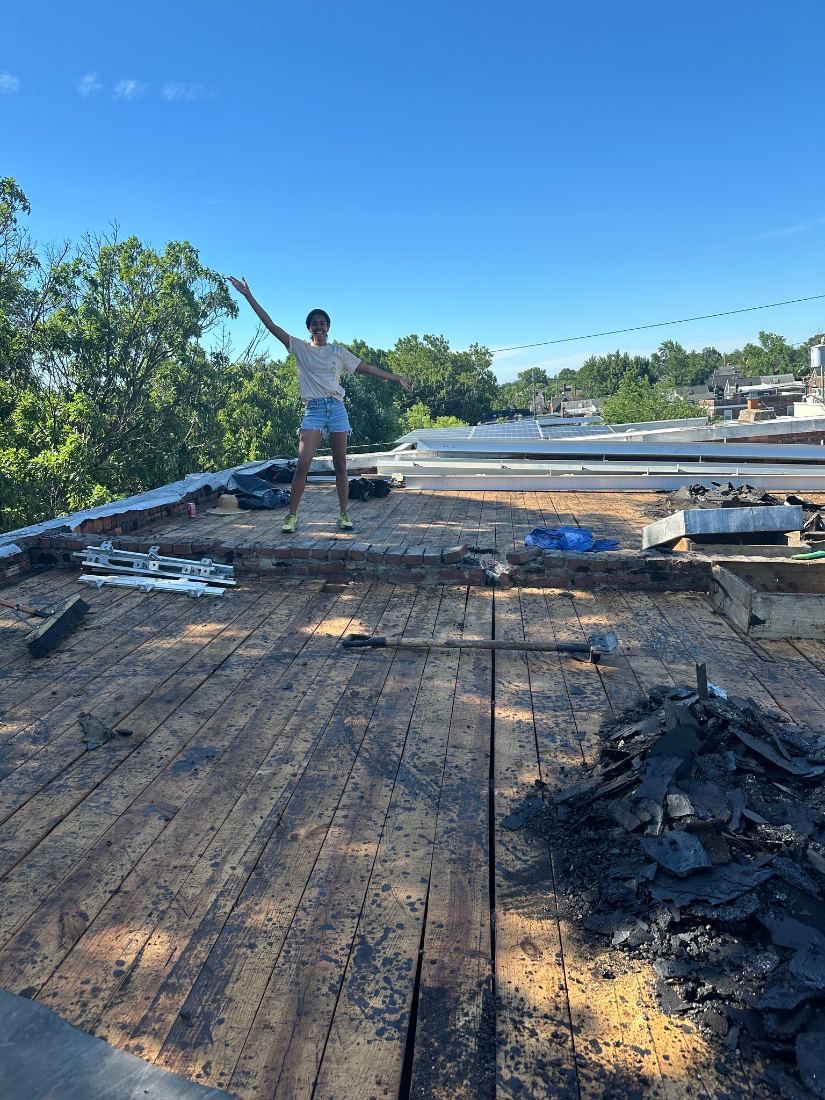
Most roofs we are called to look at do not need replacing. Some do, and a few should have been replaced two repairs ago. The difference is rarely visible from the sidewalk, so here is how a roofer actually makes the call, and how you can make most of it yourself before anyone climbs a ladder.
The short answer
Repair when the problem is in one place and the rest of the roof still has years left in it.
Replace when the problems are everywhere, the same leak keeps coming back after it has been fixed, the deck underneath is going soft, or the roof is near the end of its normal life.
Everything below is a way of finding out which of those two sentences describes your roof.
1. How old is the roof?
Age is the first question because it sets what a repair is worth. Patching a ten-year-old roof buys you another ten years. Patching a roof at the end of its life buys you a season.
Rough lifespans, assuming a decent installation and some maintenance:
| Roof covering | Typical life | Where you see it in DC |
|---|---|---|
| Asphalt shingles | 20–30 years | Pitched roofs on detached houses, the front slope of some rowhouses |
| Modified bitumen | 15–25 years | Flat rowhouse roofs, rear additions |
| EPDM (rubber) | 20–30 years | Flat roofs, porches, garages |
| TPO (white single-ply) | 20–30 years | Flat roofs, commercial low-slope roofs |
| Standing-seam metal | 40+ years | Porch roofs, bays, older rowhouse fronts |
| Slate | 75+ years | Older houses and churches; usually repaired, rarely replaced whole |
These are ranges, not deadlines. A shingle roof that bakes on a south-facing slope ages faster than one under trees, and a flat roof with water standing on it for days after every storm ages faster than one that drains. If you do not know how old your roof is, the permit history, the home inspection from when you bought the house, or the previous owner usually does.
2. Where is the water getting in?
Most leaks do not start in the middle of the roof. They start where the roof meets something else: the chimney, a parapet wall, a vent pipe, a skylight, the line where a shingle slope runs into a flat deck. Those joints are sealed with metal flashing and sealant, and they wear out long before the roofing around them does.
That matters for the decision. A leak at a flashing is almost always a repair. Reflashing a chimney or replacing a pipe boot is a day’s work, and it fixes the leak for years.
A leak that shows up somewhere new every few months, or several stains in different rooms, points the other way. It usually means the roofing itself is failing, not one detail.
On rowhouses, also check the brick. Water that comes through a cracked parapet cap or open mortar joints at the top of the wall looks exactly like a roof leak on the ceiling below. Repointing the brick fixes it; a new roof would not.
Signs that point to a repair
- The roof is less than about two-thirds of the way through its expected life.
- There is one leak, and it is near a chimney, wall, pipe, skylight or valley.
- A few shingles blew off in a storm, and the ones around them still lie flat.
- On a flat roof, there is one split, one blister or one open seam, and the rest of the membrane is still flexible.
- The ceiling stain stopped growing after the first repair.
- The wood under the roof is solid when you walk on it.
Signs that point to a replacement
- Leaks in more than one place, or the same leak coming back after a proper repair.
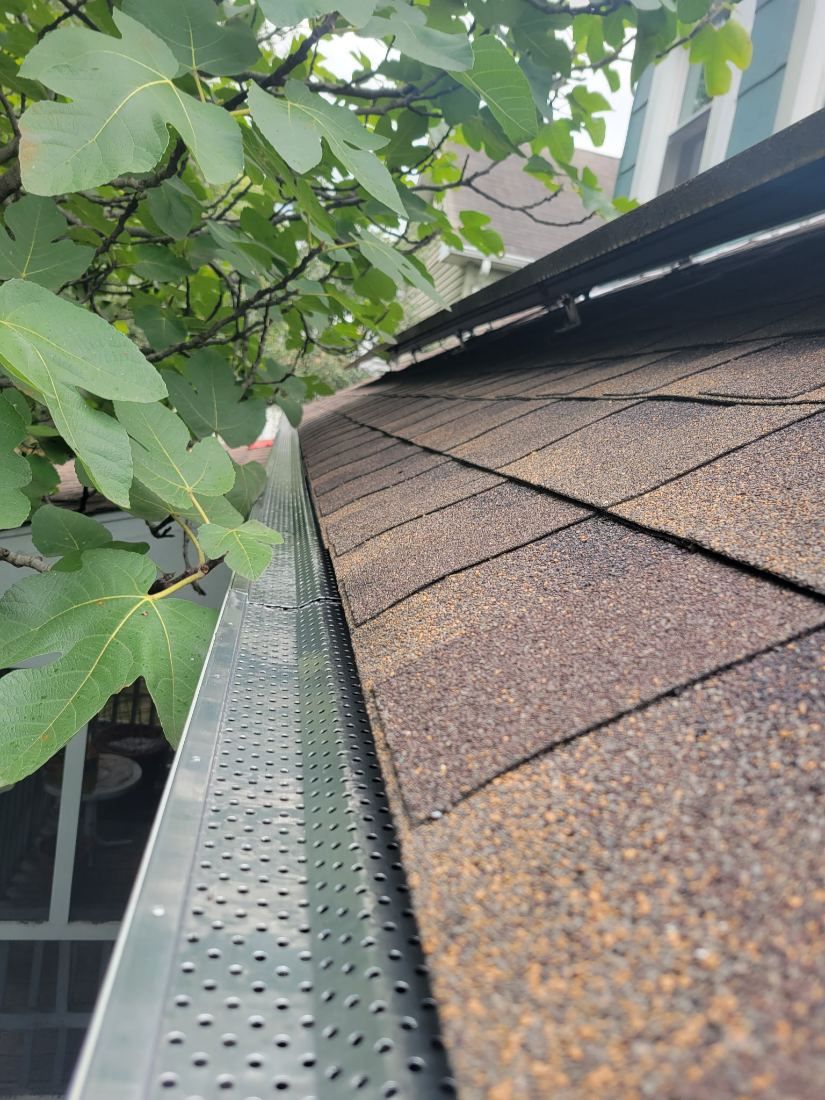
- Shingles curling, cracking or losing their granules. Granules collect in the gutters and at the bottom of downspouts like coarse sand.
- A flat roof that is cracked or brittle across the whole surface, not just at one spot, with seams opening in several places.
- Water that stays. If puddles are still on a flat roof two days after the rain, the roof is not draining, and standing water shortens its life.
- A soft or spongy deck. If the roof gives underfoot, the boards beneath are wet or rotting, and that damage spreads under a patch.
- A sagging roofline, which can mean a structural problem under the roofing.
- Two roofs already. Building codes generally do not allow a third layer over two existing ones, so once a roof has two layers, the next roof starts with a tear-off.
The money question
Roofers have a rule of thumb: when a repair starts costing a real share of a new roof, roughly a quarter to a third, and the roof is past middle age, put the money into the new roof instead. You are paying for access, setup and labor either way, and a new roof resets the clock.
The rule works the other way too. Reflashing a chimney on a twelve-year-old roof is not the first installment on a replacement. It is maintenance, and it is the cheapest thing you will ever do for that roof.
Can you replace just part of a roof?
Often, yes, and on DC rowhouses it is common. The flat main roof, the rear addition and a front porch roof are usually separate roofs with separate lives, and it is normal to replace one and repair another.
Within a single roof, partial replacement is harder. New shingles rarely match weathered ones in color, and some manufacturers’ warranties only cover a full system. On a flat roof, a large patch of new membrane over old can work if the old membrane around it is still sound, but it is a short-term answer if the rest is near the end.
A DC note: permits, historic districts and flat roofs
- Permits. In DC, a full roof replacement generally needs a building permit from the Department of Buildings; small repairs often do not. Your roofer should pull the permit and tell you before work starts. If they suggest skipping it, that tells you something about the rest of the job.
- Historic districts. In Capitol Hill, Georgetown, Mount Pleasant and the city’s other historic districts, visible changes to a roof go through the Historic Preservation Office. Replacing a flat rear roof in kind is usually simple. Changing a visible material is not.
- Flat roofs. Most rowhouse roofs are flat or close to it, and DC has rules about reflective roofing on low-slope roofs. Ask how the system you are quoted meets them.
What a good inspection looks like
You should come away with more than a number. A useful inspection means someone was on the roof, not just looking at it from the street; they looked at the top-floor ceiling or the attic from the inside; and you received photos of what they found and a written scope that says what is wrong, what will be done about it, and what could change the price once the roofing is opened up.
That is how we do it. The estimate is free and written, and if a visit is needed we say so. On a replacement, after the tear-off we walk the whole deck, replace only the boards that are soft, and send you photos before we do.
Questions to ask before you sign
- Is this a repair or a replacement, and why?
- What will you do at the chimney, walls and pipes? (Reusing old flashing on a new roof is how new roofs leak.)
- If you find rotten wood, how will it be priced, and will I see it first?
- Who pulls the permit?
- What is covered, for how long, and by whom: you or the manufacturer?
Common questions
How long does a roof last in DC?
Roughly 20 to 30 years for asphalt shingles and 15 to 30 years for the membranes on flat roofs, depending on the material, how it was installed and how well it drains. Metal and slate last much longer.
Is it OK to put a new roof over the old one?
Sometimes, on a roof with a single dry layer. But you lose the chance to see and fix the deck, and codes generally do not allow a third layer. On most rowhouse flat roofs, a tear-off is the better job.
Does insurance pay for a new roof?
Homeowners insurance usually covers sudden damage, such as a tree limb or storm, not a roof that has worn out. If you think storm damage is involved, take photos and read what to do in the first hours of a leak.
Is a flat roof harder to repair?
Not harder, just different. Flat roofs fail at seams, drains and the edges where they meet walls, and those are all repairable when the rest of the membrane is in good shape.
Not sure which one you need? Read more about our roof repair and roof replacement work, or send us a few photos of the roof and the ceiling through the estimate form, or call (202) 495-1440. You will get a written answer, and if it is a repair, we will tell you it is a repair.