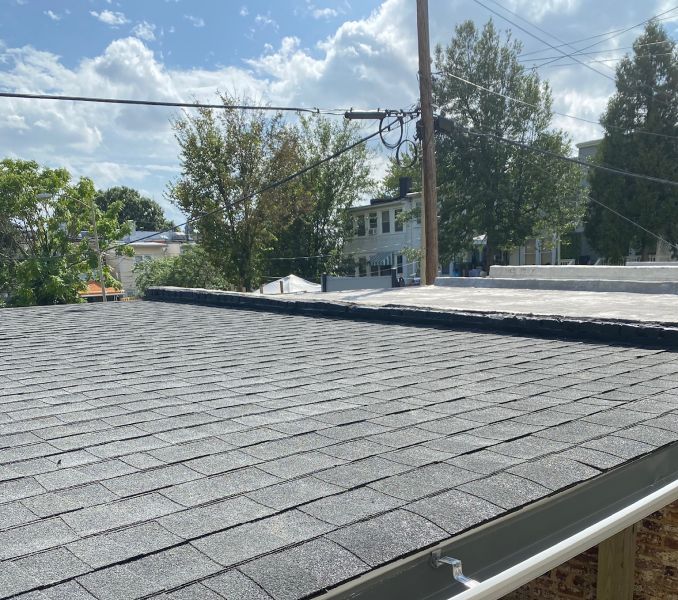
Snow, ice and freezing rain put every roof in the D.C. area to work. This roof maintenance checklist covers five things you can check from the ground before winter, no ladder needed.
Many roof leaks are noticed in the spring, when snow and ice melt. Catching a problem in the fall gives you time to fix it on your own schedule, not in the middle of a storm.
1. Look at your roof from the street
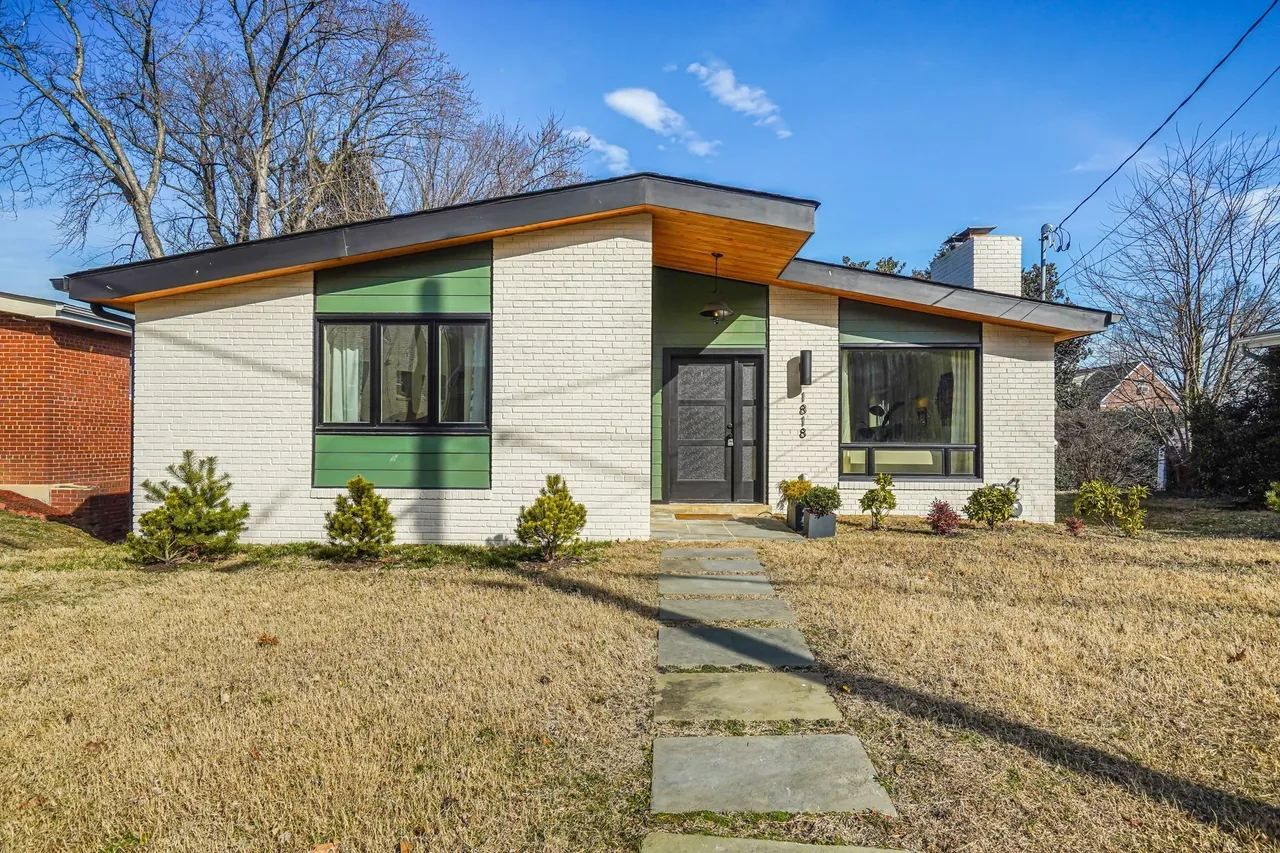
Stand across the street or in your backyard and take a good look. Zoom in with your phone if it helps. Watch for missing, cracked or curling shingles, dark patches, or anything that looks different from last year.
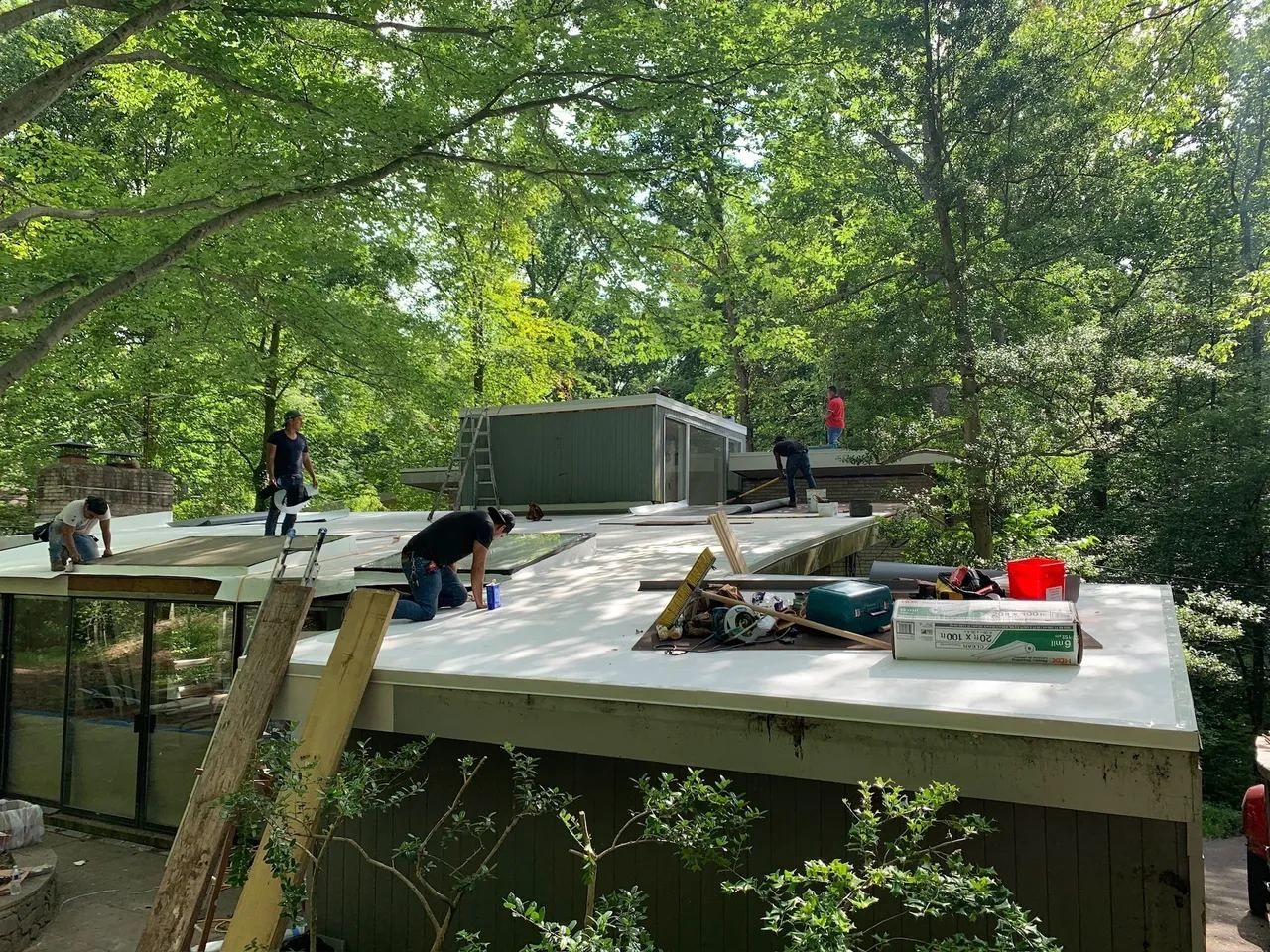
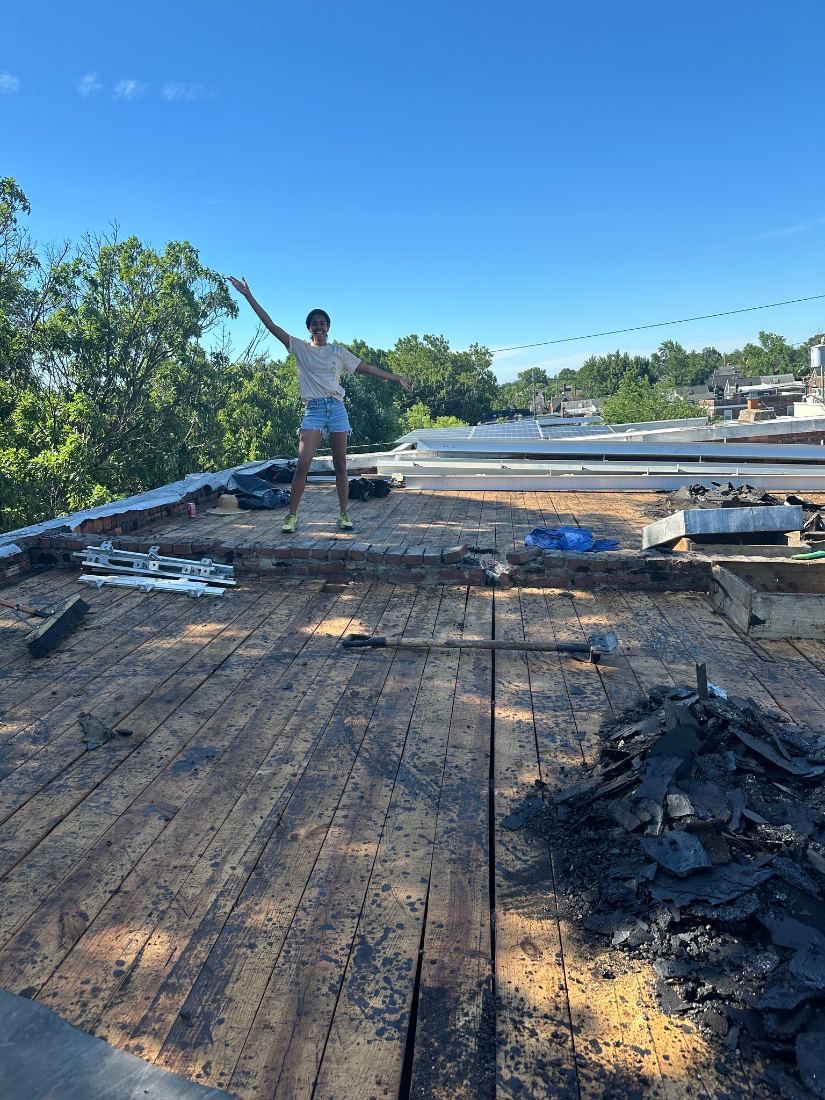
Many D.C. row houses have flat or low-slope roofs that you can’t see from the sidewalk. If yours is one of them, the next checks matter even more.
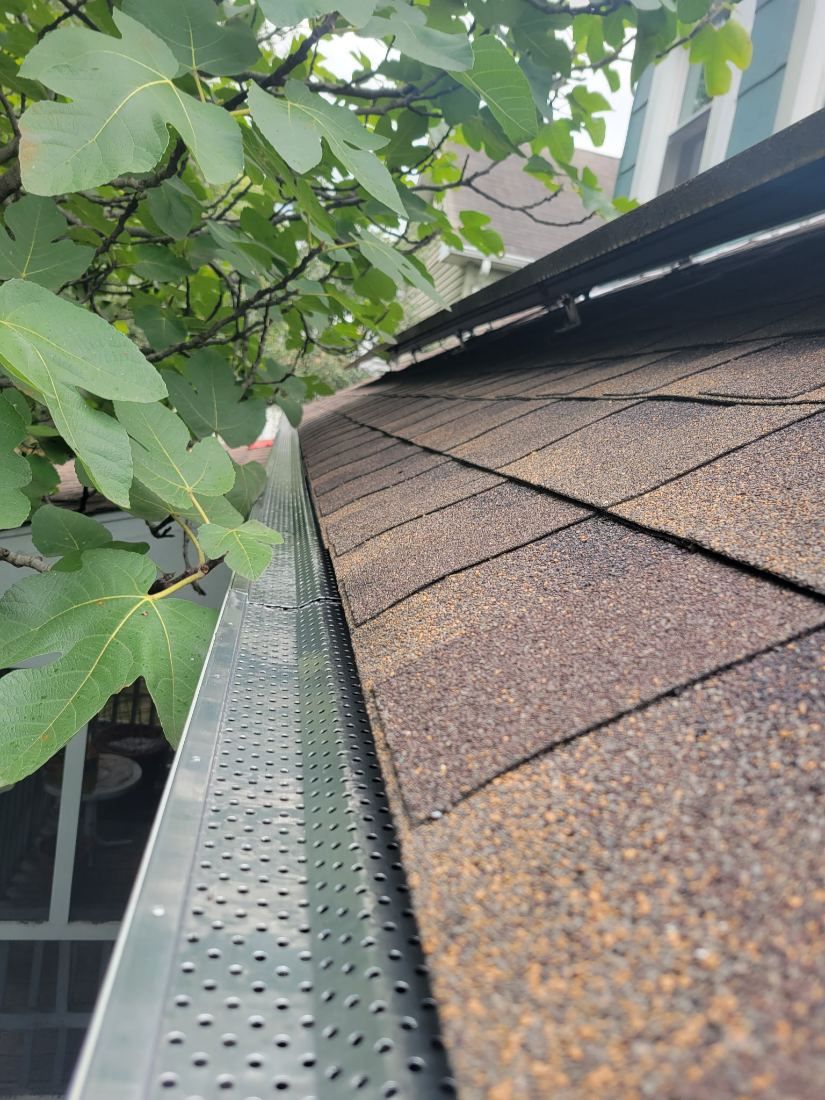
2. Clear your gutters and downspouts
By late fall, gutters are full of leaves. When water can’t drain, melting snow can refreeze at the edge of the roof and form an ice dam, which pushes water back under the roofing. Attic insulation and ventilation also play a big part. The U.S. Department of Energy’s Building America Solution Center has a University of Minnesota Extension guide on dealing with and preventing ice dams.
If you can’t reach your gutters safely, this is a good job to hand off.
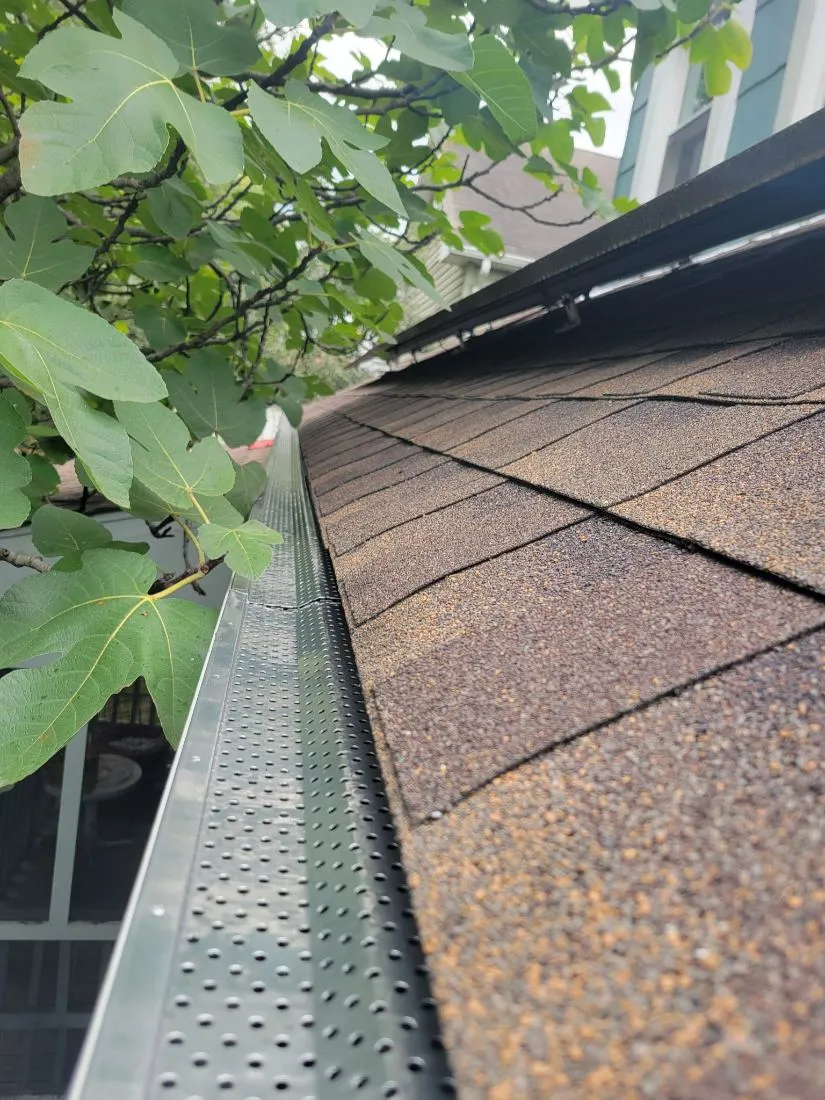
Clear gutters let melting snow drain off the roof.
3. Check your ceilings and top floor
Walk through the top floor of your home and look up. Water stains, bubbling or peeling paint, and a musty smell are signs that water may already be getting in. Pay extra attention near the chimney, skylights and outside walls.
4. Look where the roof meets something else
Chimneys, vents, skylights and walls are sealed with metal flashing. On the roofs we are called to, this is where most leaks start. When flashing lifts, rusts or comes loose, water gets underneath.
This is hard to see from the ground. If you notice rust streaks or loose metal, have a roofer take a closer look.
5. Find out how old your roof is
Check your closing documents or a past home inspection report. According to InterNACHI’s estimated life expectancy chart, standard 3-tab asphalt shingles last about 20 years and architectural shingles about 30. Weather, ventilation and installation quality all change that number. If your roof is close to that age, planning a replacement now is easier than dealing with an emergency in January.
Sometimes the first person to spot a tired roof is an insurance inspector who came out for something else. If your insurance company has told you the roof needs attention, don’t wait for spring.
Frequently asked questions
When is the best time to check my roof?
Fall and spring. In the fall you get ready for winter. In the spring you catch anything winter left behind.
Is it safe to inspect my own roof?
From the ground, yes. Climbing onto a roof, especially a wet or icy one, is risky. Leave that part to a roofer.
Not sure what you’re looking at?
That’s what we’re here for. If something on this list worries you, our team at Overall Roofing can take a look. Tell us what you noticed in the form below and we’ll get back to you to set up your free estimate.
Getting your roof ready for winter? Let's take a look.
- Free estimate
- Local D.C. team
- Homes and commercial buildings
Already have water coming in? Read what to do first when your roof is leaking.